
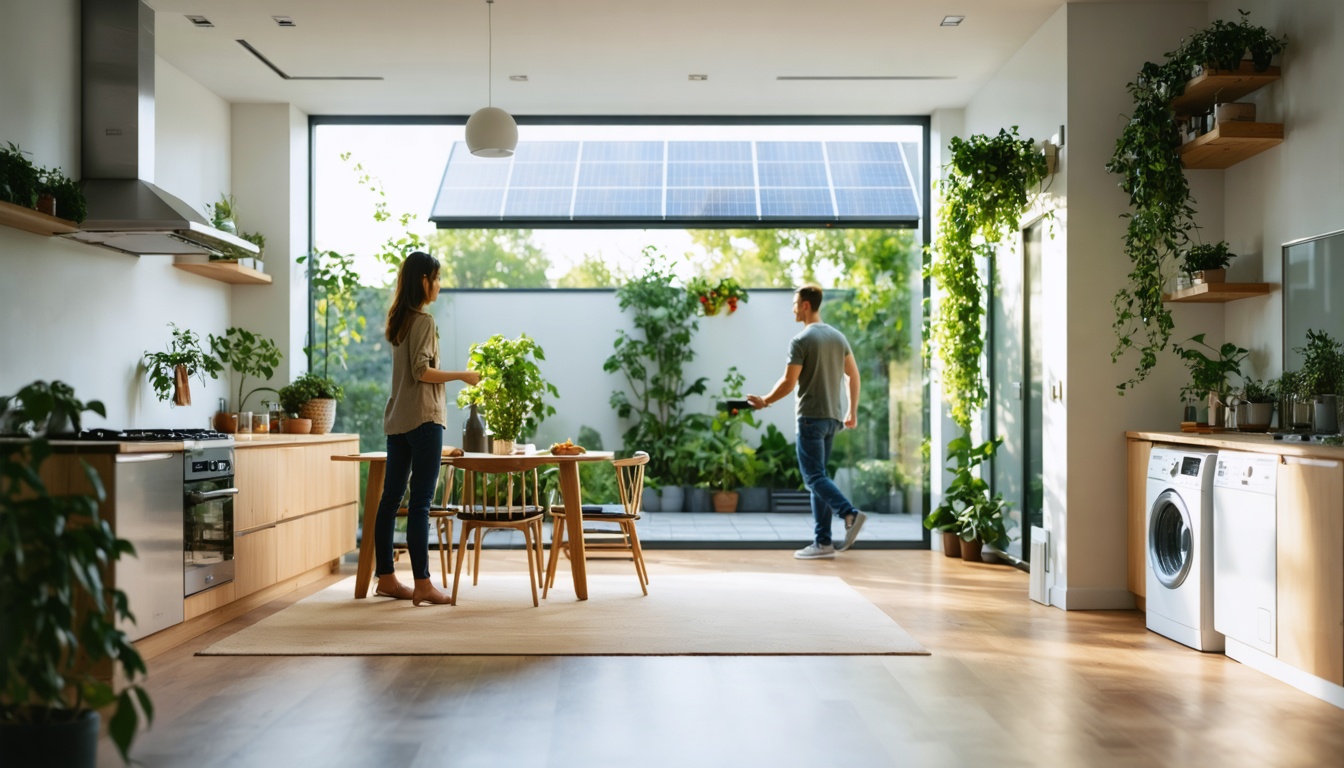
How Smart Energy Habits Can Reduce Household Electricity Waste
Adopting smart energy habits within the home can lead to significant reductions in electricity consumption and associated costs. Understanding which household appliances contribute the most to energy waste is essential for making informed choices. For instance, devices like refrigerators, water heaters, and air conditioning units typically consume large amounts of electricity. Implementing strategies such as adjusting the thermostat—setting it to a higher temperature in summer and lower in winter—can lead to noticeable energy savings. Additionally, utilizing energy-efficient lighting, such as LED bulbs, can reduce electricity usage significantly compared to traditional incandescent bulbs. Regularly unplugging devices that are not in use can also minimize "phantom" energy consumption, which occurs when electronics draw power even when switched off. Overall, by incorporating these practical strategies, households can enhance their energy efficiency. Being mindful of energy consumption not only helps in reducing bills but also contributes positively to environmental sustainability.
Understanding Household Energy Consumption
Understanding household energy consumption is important for identifying areas where electricity usage can be reduced and potential cost savings achieved, such as exploring Solar Power Solutions in Cape Coral. Key contributors to energy use in homes include heating, air conditioning, and water heating.
Adopting energy-efficient strategies can lead to lower utility bills. For example, using smart power strips can reduce energy waste by minimizing phantom load, which is the energy consumed by devices when they are not in active use. Unplugging devices that are not in use can further enhance energy savings.
Replacing traditional incandescent light bulbs with LED light bulbs, which have a longer lifespan and lower energy consumption, is another effective way to reduce energy usage. Additionally, maximizing the use of natural light can contribute to decreased electricity needs during daylight hours.
Other simple actions, such as ensuring that refrigerator doors are closed properly and maintaining clean system filters, can also help improve appliance efficiency.
Regularly turning off lights when not needed and investigating available incentives for energy efficiency improvements can further contribute to lower energy costs. While these measures may seem minor, they can lead to significant energy savings and cost reductions in the long term for households.
Identifying Common Energy-Wasting Behaviors
Small daily habits can lead to significant energy waste in residential settings, often without homeowners being fully aware of their impact. For example, incandescent light bulbs typically consume more energy than LED counterparts, which are designed to be more energy-efficient. Transitioning to LED lighting can not only reduce energy consumption but also lower monthly utility costs.
Another notable issue is the phenomenon of phantom power, which refers to the energy consumed by electronics when they remain plugged in, even if they are powered off. This energy drain can be minimized by unplugging devices that are not in use or by utilizing a power strip equipped with an on/off switch.
The frequent use of refrigerators, especially the act of opening the door, allows cold air to escape, necessitating additional energy for the appliance to maintain its internal temperature.
Similarly, empty chest freezers and water heaters tend to lose heat more quickly, which can also result in increased energy expenditure.
Adopting effective energy conservation strategies can yield tangible savings. Minor behavioral adjustments, along with the use of energy-efficient appliances, can lead to meaningful reductions in energy usage and associated costs over time.
Strategies for Efficient Appliance Use
The effective utilization of household appliances can lead to notable reductions in electricity consumption and associated costs. For example, operating dishwashers only when they are at full capacity is a practical method for minimizing energy usage and lowering monthly utility expenses.
Similarly, washing clothes in cold water can reduce the need for heated water, which contributes to decreased energy costs.
The U.S. Department of Energy recommends setting a water heater temperature to 120°F, as this setting strikes a balance between comfort and energy efficiency. It can reduce heating costs while still providing sufficient hot water.
Regular maintenance of appliances, such as cleaning refrigerator coils, can improve their performance and efficiency, further lowering energy consumption.
Transitioning to LED light bulbs offers benefits for long-term energy savings. These bulbs consume significantly less electricity compared to traditional incandescent bulbs and have a longer lifespan.
Moreover, unplugging devices when not in use or using power strips can help address phantom load, which is the energy consumed by electronics that remain plugged in even when turned off.
Turning off lights when they are unnecessary and making use of natural light can also contribute to energy savings.
By implementing these straightforward strategies, households can achieve a significant reduction in energy consumption over time, highlighting the importance of mindful appliance usage.
Enhancing HVAC System Performance
Enhancing the performance of HVAC systems can lead to reduced energy consumption and improved indoor comfort levels. Regular maintenance, including the cleaning or replacement of air filters every 1 to 3 months, is essential. This practice not only improves system efficiency but also contributes to lower energy costs.
Minimizing air leaks through proper sealing of gaps around doors and windows is another effective approach. By reducing air leakage, the HVAC system experiences less workload, which can lead to increased efficiency in maintaining indoor temperatures.
The use of a smart thermostat can further enhance HVAC performance. These devices are designed to adjust temperature settings based on user habits, potentially resulting in lower monthly utility bills.
Regular system maintenance is likely to yield long-term benefits. HVAC systems that operate efficiently tend to consume less energy, which can lead to decreased heating costs.
By focusing on these strategies, homeowners may achieve a more comfortable indoor environment while also reducing energy expenditures.
Practical Approaches to Home Heating and Cooling
A home's energy consumption is influenced by various factors, but straightforward adjustments to heating and cooling practices can lead to noticeable savings.
It is generally recommended to keep the heating temperature in winter within the range of 18-20°C and to set air conditioning above 26°C during the summer months. Following these temperature recommendations can aid in energy conservation and help to lower utility bills while ensuring a reasonable level of indoor comfort.
Sealing gaps around doors is another effective method to reduce the escape of warm air during winter, which can subsequently decrease heating expenses.
Additionally, the use of ceiling fans can improve the efficiency of central heating and cooling systems, promoting lower energy consumption. Implementing passive cooling techniques, such as opening windows during cooler nighttime hours, can utilize natural airflow to help maintain comfortable indoor temperatures.
These modifications not only contribute to energy conservation but also provide opportunities for extending savings over time.
Optimizing Lighting and Electronics
Optimizing lighting and electronics can effectively reduce household electricity consumption and associated costs. The use of LED light bulbs is advisable due to their lower energy usage compared to traditional incandescent bulbs and their longer lifespan, which can contribute to reduced monthly utility bills.
Moreover, maximizing the use of natural light during daylight hours can lessen the dependency on electric lighting, thereby conserving energy.
The implementation of smart plugs or smart power strips can enhance energy management for multiple electronic devices. These tools allow users to disconnect devices that are not actively in use, which can significantly reduce phantom power loss—defined as the electricity consumed by devices that, while turned off, remain plugged in.
Turning off lights when exiting a room and utilizing timers can further promote energy efficiency.
Additionally, minimizing ambient lighting and choosing the proper type of lighting for specific tasks can impact overall energy consumption.
In conclusion, minor adjustments in lighting practices and electronic usage can lead to notable energy conservation and cost reductions, reinforcing the value of cautious consumption habits.
Teaching Energy Conservation to Every Family Member
Energy conservation relies on the behaviors and choices of individuals within a household, along with the implementation of energy-efficient technologies. Educating family members about fundamental energy-saving practices can lead to a noticeable reduction in electricity consumption.
Several practical measures can be taken to conserve energy. Turning off lights when leaving a room, utilizing natural light during daytime hours, and replacing traditional incandescent bulbs with LED options are key strategies. Engaging children in these energy-saving activities is also important; for instance, teaching them to unplug devices when not in use helps prevent phantom power consumption.
The use of power strips can simplify this process, making it easier to turn off multiple electronics simultaneously, while also encouraging a mindful approach to the number of devices left plugged in.
Furthermore, proper usage of household appliances, particularly refrigerators, can significantly impact energy efficiency. Minimizing the time the door is left open helps maintain the cooling temperature, thereby reducing the energy required to keep food at the desired temperature.
Similarly, understanding efficient heating practices and methods to conserve hot water are crucial as these areas are major contributors to household energy use.
Incorporating these minor changes into daily routines can collectively result in long-term reductions in energy bills. This illustrates how individual actions can cumulatively affect overall energy consumption.
By instilling these practices within households, families can achieve cost savings on utilities while also playing a role in the wider effort toward energy conservation.
Conclusion
Adopting smart energy habits can lead to significant reductions in household electricity consumption, contributing to both economic savings and environmental sustainability. By evaluating daily energy usage and selecting energy-efficient appliances, households can decrease their overall energy waste. Simple actions, such as turning off lights and unplugging electronic devices when not in use, can lead to measurable reductions in power consumption. Additionally, monitoring energy use through smart meters or other technologies can provide insights into consumption patterns, enabling families to identify areas for improvement. Involving all household members in energy-saving practices can foster a culture of sustainability and increase the effectiveness of these efforts. Ultimately, implementing smart energy habits can generate long-term benefits, both in terms of reduced utility bills and a lower carbon footprint, which aligns with broader environmental goals.